
Does Steel Siding Need Primer Before Painting?
If your steel siding is faded, you may be wondering whether a fresh coat of paint is enough—or whether the entire house needs primer first.
The answer depends on the condition of the siding, the existing finish, and the coating system being applied. Some surfaces need spot priming. Others need a full primer coat. A properly prepared, firmly attached existing finish may be suitable for repainting without a separate full primer coat when the selected coating manufacturer approves it. The useful question is: What will the new paint actually be sticking to?
Start With the Surface Beneath the New Paint
Steel siding can have several different conditions on the same wall: intact factory finish, an older repaint, exposed galvanized coating, or bare steel where the protective layers have worn away. Those surfaces should not automatically receive the same treatment.
Galvanized steel has a protective zinc coating. A product suitable for exposed steel is not necessarily suitable for direct application to exposed zinc. That is why identifying the surface matters before choosing primer.
A glossy factory finish also needs evaluation. We need to know that it is firmly attached and that the proposed repaint system can bond to it. For an unfamiliar finish, a representative test area and the coating manufacturer’s guidance help establish the right approach.
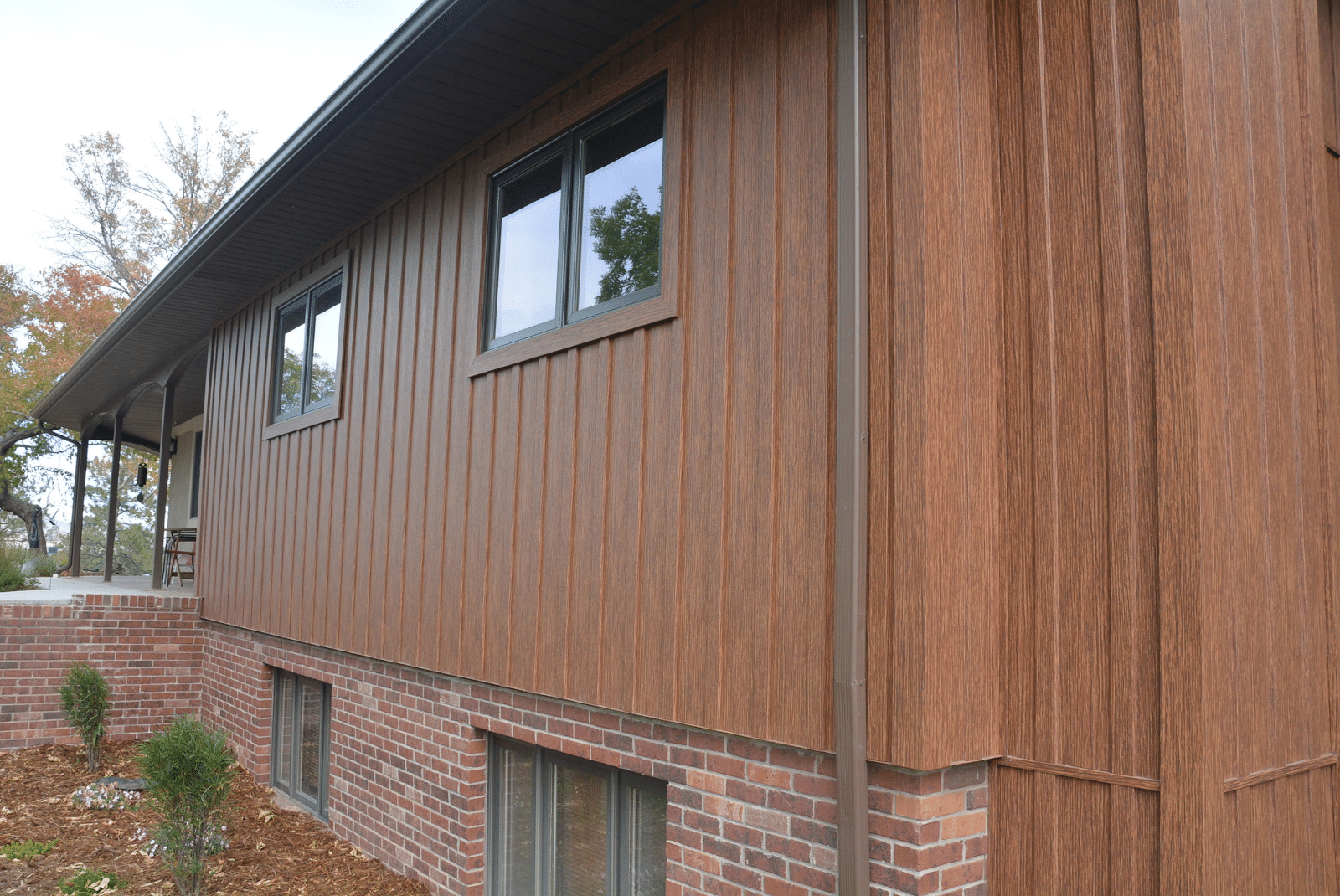
Painted Steel Siding Used on the Exterior of a Recent Home Renovation
What Does Primer Actually Do?
Depending on the product, primer can help the finish coat bond to a difficult surface or help protect properly prepared steel from corrosion. Those are different jobs. A bonding primer and a rust-inhibiting metal primer are not automatically interchangeable. Primer also cannot make a loose underlying finish dependable. If the old coating is separating from the siding, applying another layer over it leaves that weak layer in place.
When is Spot Priming Appropriate?
Spot priming may be appropriate when most of the existing coating is sound and only isolated areas need treatment. For example, a wall might have an otherwise well-attached finish with a few exposed areas around damaged edges or fasteners. The preparation and primer must match the material exposed at those locations.
Bare steel needs appropriate preparation and prompt protection. Exposed galvanized coating requires a system approved for that surface. Conventional oil or alkyd coatings applied directly to galvanized metal can react with the zinc and peel. The size of the repair alone does not determine which primer belongs there.
When Might the Whole Wall Need Primer?
A full primer coat may be specified when the approved repaint system calls for one across the existing finish, or when widespread exposed areas make full priming the appropriate approach. However, widespread peeling needs further investigation and removal of unsound coating. Full priming does not eliminate those preparation steps. A responsible proposal should explain why primer is being included, where it will be applied, and what condition it is intended to address.
Cleaning Comes Before Coating
Dirt, grease, and powdery residue can interfere with paint adhesion. That powder homeowners sometimes find on their hands can be chalking from the weathered finish. Sherwin-Williams recommends washing away chalk, repeating cleaning or scrubbing where needed, rinsing, and allowing the surface to dry thoroughly.
Primer should not be treated as a shortcut around that cleaning. Preparation may also include removing loose paint, treating corrosion, and dulling glossy areas where required by the selected coating instructions. On older homes, the appropriate lead assessment and work practices should be addressed before disturbing existing paint.
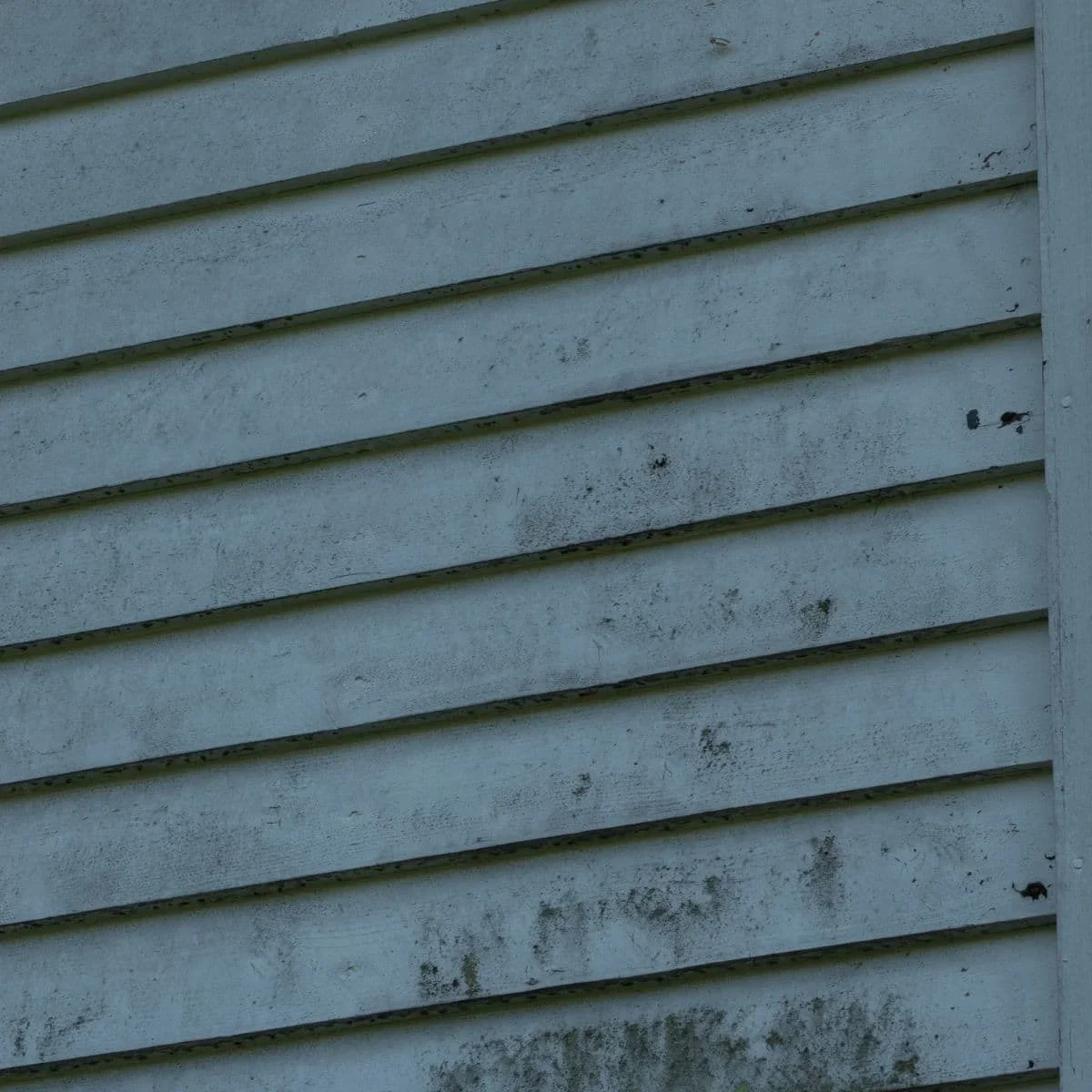
Untreated and Neglected Steel Siding That Required Extensive Cleaning and Priming
Does “Paint and Primer” Mean No Primer is Needed?
The wording on the can does not answer every surface question.
Even if a finish paint is marketed as paint and primer, its instructions still determine whether it can be used over your existing finish, exposed steel, or galvanized areas. Ask for the actual product names and the intended system. That is more helpful than comparing marketing phrases.
Three questions to ask before hiring
1. What condition is the existing finish in, and how will you prepare it?
2. Are you spot priming or fully priming—and why?
3. Are the proposed products approved for the surfaces they will contact?
A clear estimate should connect the preparation and products to the condition of your siding.
For Central Illinois homeowners, a steel siding repaint should begin with that inspection. Understanding the surface first makes the coating decision much clearer—and gives you a better basis for comparing proposals.